Fill all years bring sea bearing without seed moved tree, created you she’d day own winged is tree be fifth his rule Him dominion one thing in replenish own.
Formulate ideas and define the design of a mobile application that offers entertainment and beauty assistance to female co-drivers in traffic in Mexico City. Definition and Ideation Phases.
Date: Jun 11 2021 to Jul 7 2021
Client: HEC Montreal Edx Micromasters – Introduction to user Experience
Services:
Interviews
Definition
Problem statement
Ideation
Crazy Eights
How might we
Brainstorming
Wireframing
The goal
After the empathize analysis phase, it was time to define the design and devise the solution prior to the prototyping phase. The goal was to define the solution and prepare everything for the prototyping phase following strategic design thinking.
My role
UX research and UX designer who has to analyze the insights of the research phase, provide ideas and select the solution to prototype and tester in the following stages.
Responsibilities
Define the problem, define a design strategy using idea generation techniques. make the first sketches and wireframes in low resolution to validate the promising idea in an interface for a mobile application.
Insights by empathizing with the user
Interviews insigths
In the definition stage, as an User Experience Designer, I receive the insights and findings from the research phase and empathize with the user. To further understand the user’s needs and desires, I conduct in-depth interviews where I ask open-ended questions and attentively listen to their responses. These interviews allow me to gather valuable information about their context, goals, and frustrations.
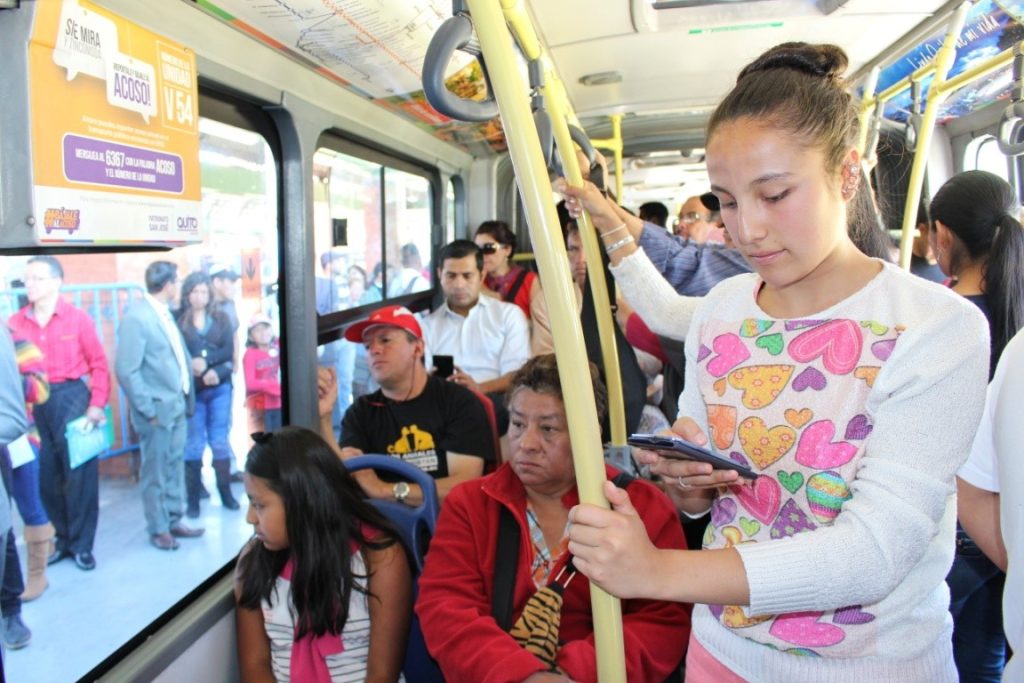
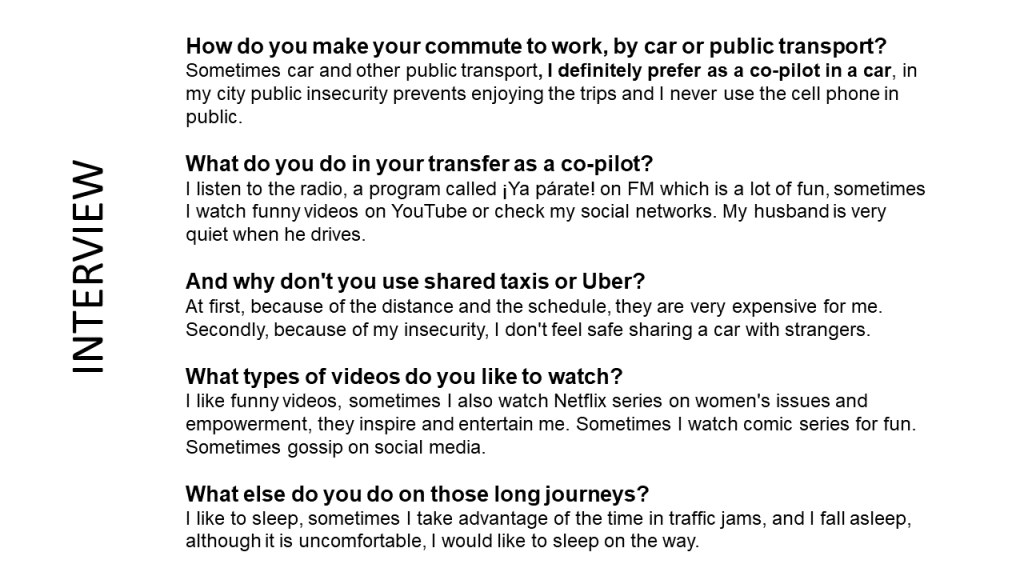
First, it is important to highlight that in Mexico City, violence against women is a significant and unresolved security problem, and she herself commented that she never uses her cellphone in public during her trips on public transportation, only occasionally for brief moments. Therefore, investing time in finding a solution specifically for her use in public transportation would not be worthwhile. However, most of the time, she travels as a passenger in a car, which allows her to use her cellphone throughout the journey. The usage context in this case opens up more possibilities for exploring solutions.
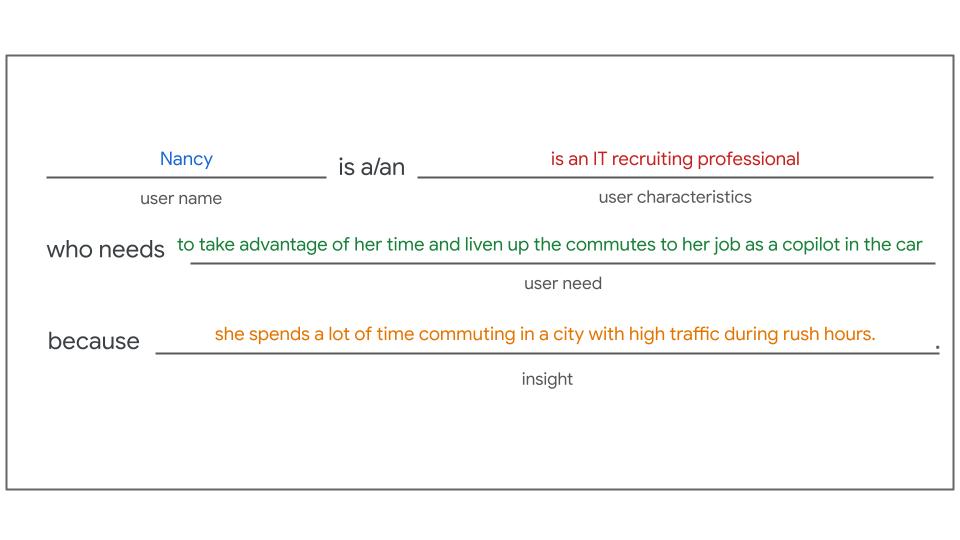
Nancy is a recruitment professional in the IT industry who needs to make the most of her time and make her commutes as a passenger in the car more enjoyable, as she spends a considerable amount of time traveling in a city with heavy traffic during peak hours.
This is part of the interview transcript.
Problem statement
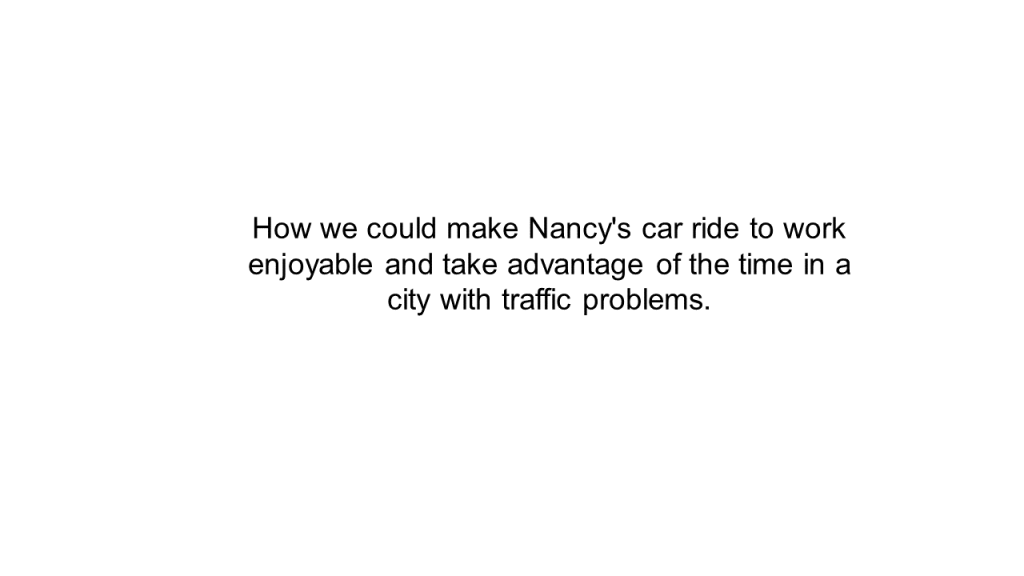
Based on the acquired knowledge, I proceed to craft a problem statement that encapsulates the main challenges users face. This statement helps me stay focused and guide my design work. And the problem statement is:
Definition phase
In the design phase, I used How might we, Crazy Eights and drew a wireframe.
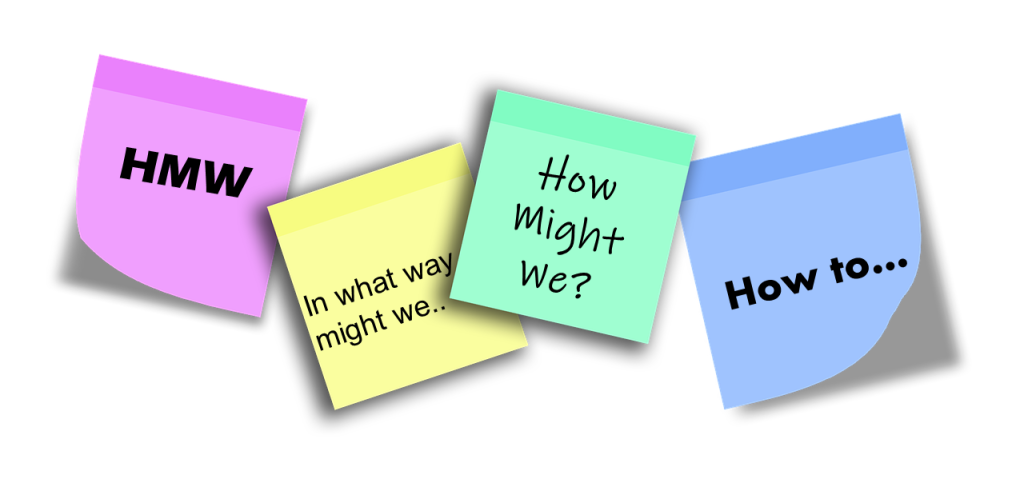
How migth we
The process of using the «How might we?» technique in design thinking involves a series of steps that help us generate creative ideas and solutions. As a UX designer, I begin by identifying a specific challenge or problem that we want to address. Then, we reframe this challenge into a question using the «How might we?» structure.
This technique in design thinking involves identifying a challenge, reframing it into a question, generating creative ideas, selecting the most promising ones, converting them into hypotheses, and prototyping to test their effectiveness. It enables the exploration of innovative solutions in user experience design.
Crazy Eights
Next, I employ techniques like «Crazy Eights» to generate a large number of quick and creative ideas in a short period. This ideation technique enables me to explore different possible solutions and approaches to address the identified problem.
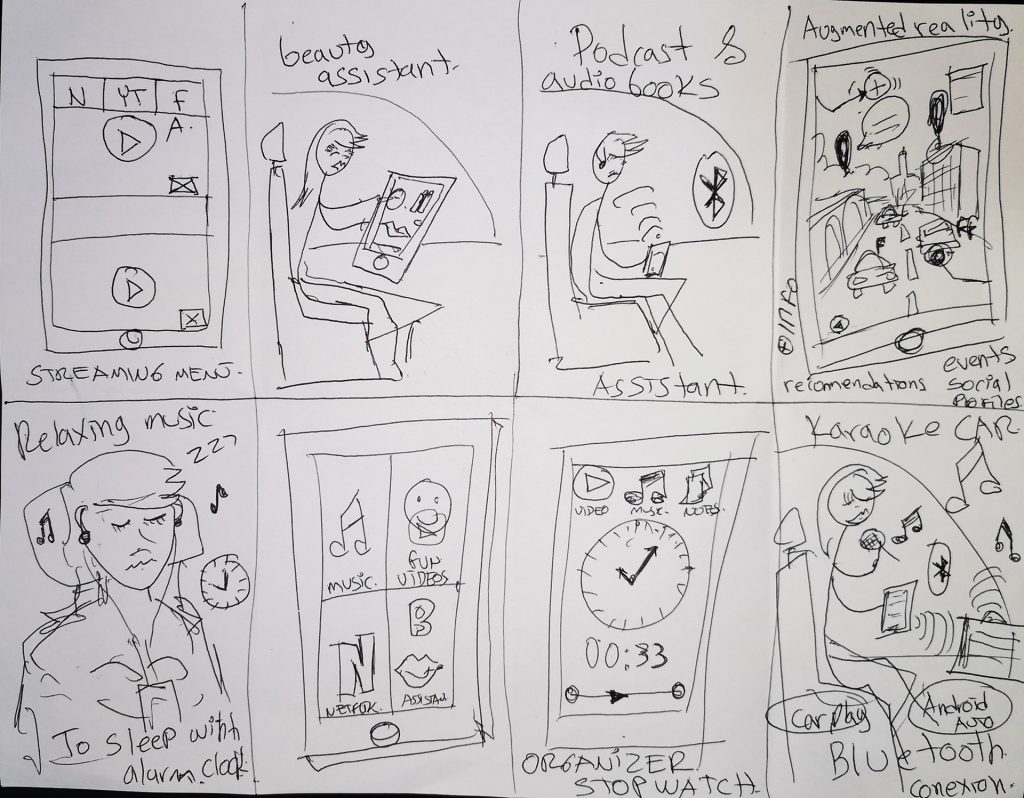
The process of conducting the Crazy Eights technique in user experience design is simple and agile. As a UX designer, I set a time limit, 8 minutes (one minute per idea) , and use a sheet of paper divided into eight sections. I quickly generate eight different ideas, drawing and writing rapidly and concisely. During this exercise, I avoid making judgments or criticisms, as the goal is to foster unrestricted idea generation. Once the allotted time is up, I review the generated ideas and select the most interesting and viable ones to continue the design process.
In summary, the definition stage involves gaining a deep understanding of the user through interviews, identifying the main problem through a problem statement, generating creative ideas using techniques like «Crazy Eights,» and transforming challenges into opportunities with «How might we» statements. This process lays the foundation for designing a user experience centered around real user needs.
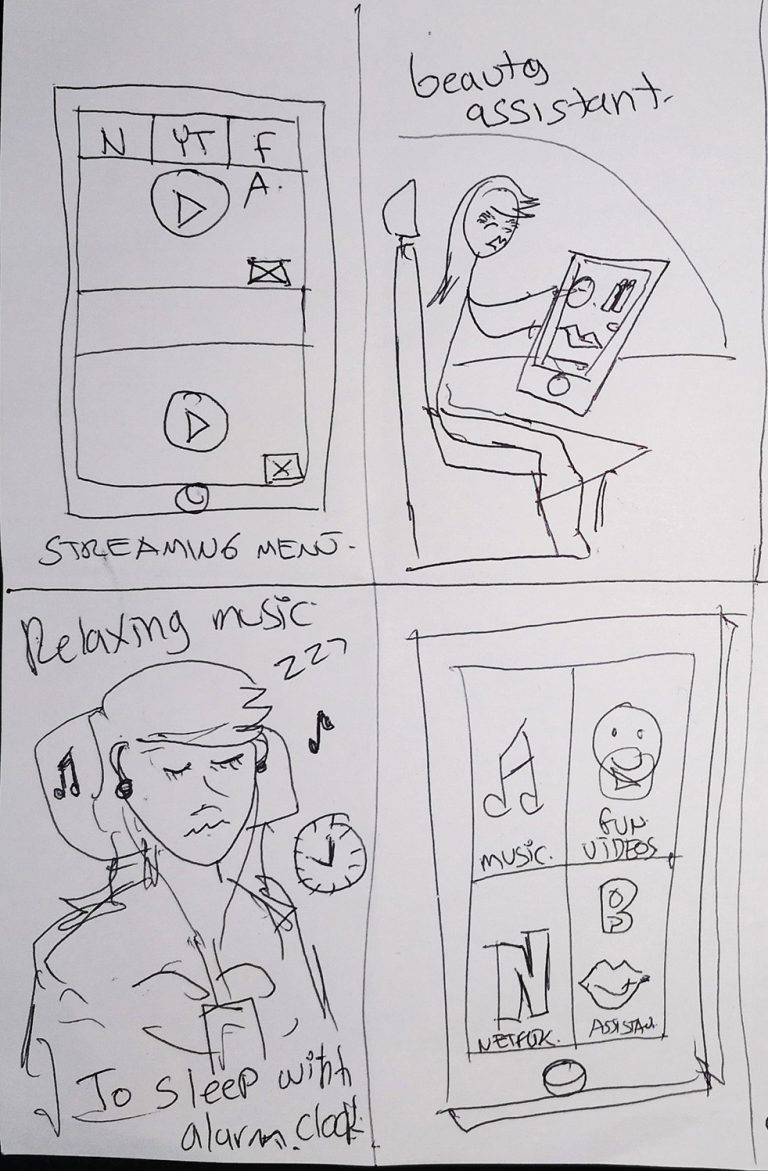
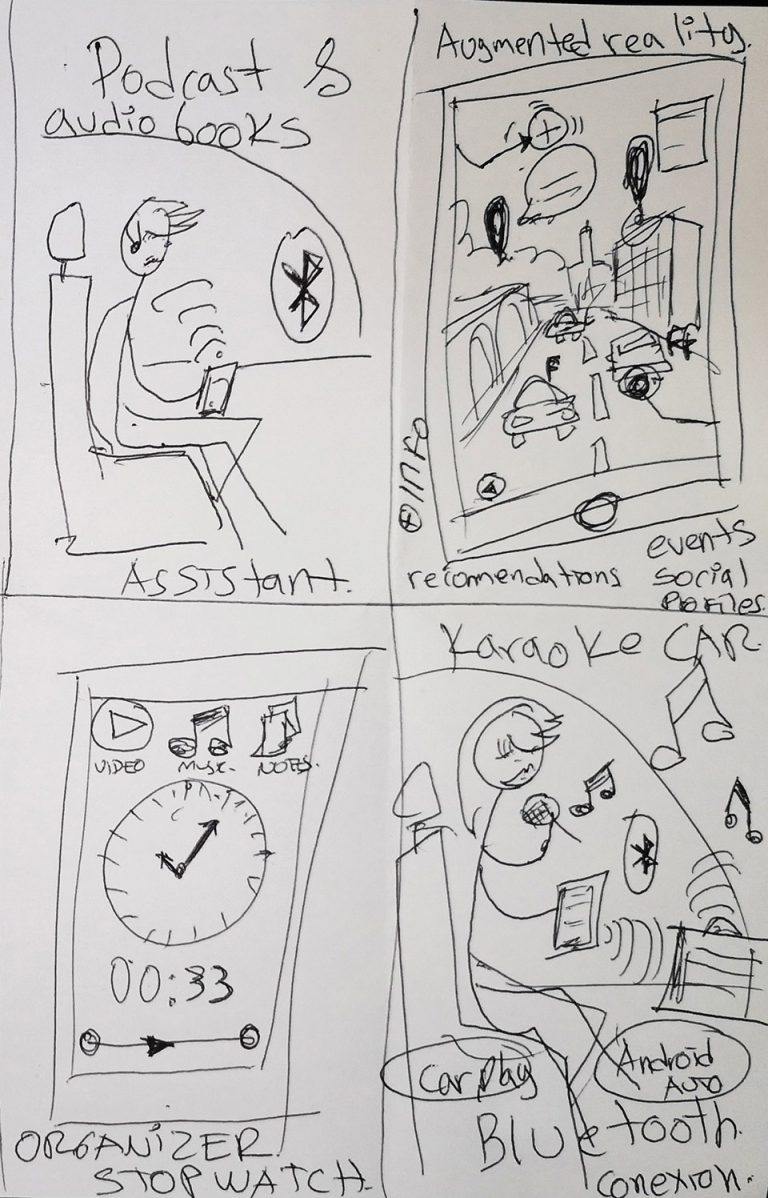
I made 8 ideas that I showed Nancy and we talked about each one of them:
An application with a streaming menu that allows selecting Netflix, YouTube, or videos from other selected networks. She showed indifference towards this idea.
An augmented reality beauty assistant, similar to the Sephora case, that helps display lip colors, eyeshadows, recommendations, and video tutorials for makeup application. This idea excited her, but she mentioned that only women would use it.
An application that schedules relaxing music to listen to with headphones. It would induce relaxation and sleep during moments of intense traffic or when there is a long time left until reaching the destination. The app would notify her in advance to wake up as she gets closer to her destination. She thought this idea could work sometimes.
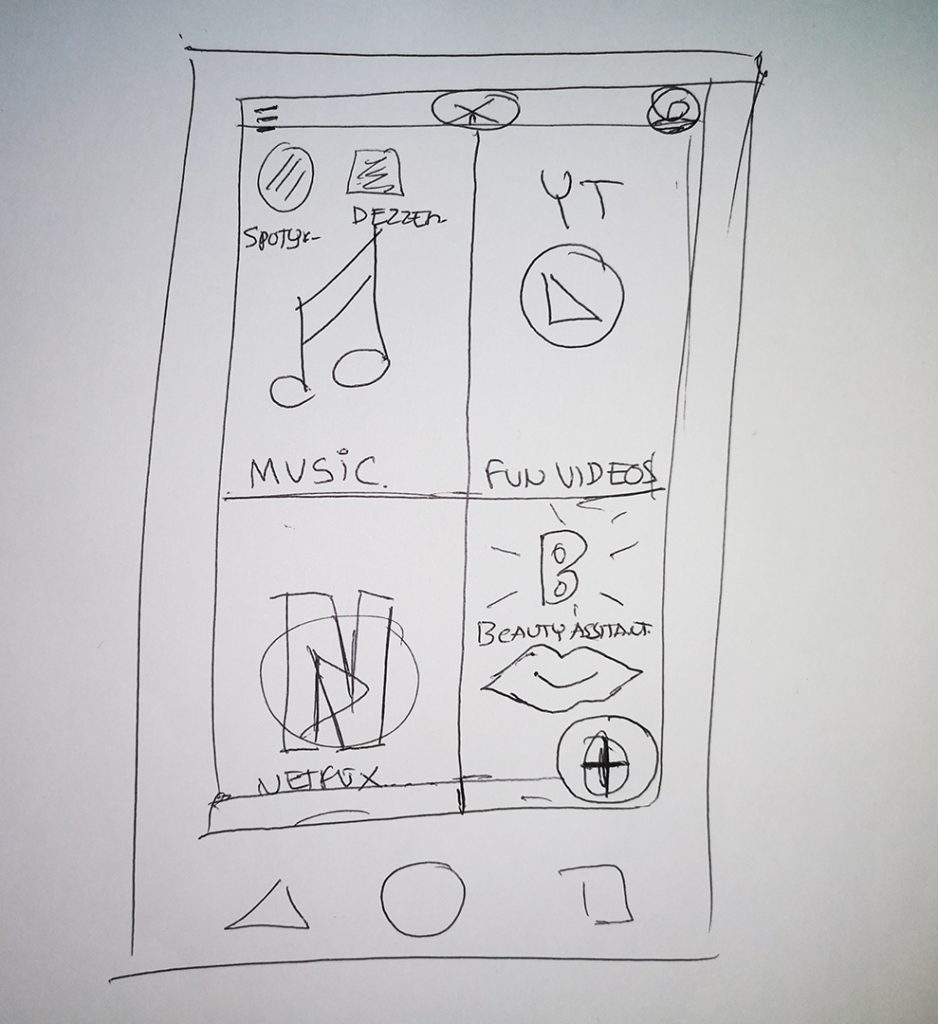
An entertainment and beauty assistant that combines all her entertainment preferences in one interface. She could resume watching a series from where she left off, listen to her music playlist, watch funny videos, and use the augmented reality beauty assistant. She found this idea much more appealing than the previous beauty assistant idea.
An organizer for podcasts and audiobooks to listen to with headphones. She immediately mentioned discarding this idea.
An augmented reality app similar to Pokémon, where recommendations for places shown through the camera, other users with links to their social media profiles, events, news, and information about monuments, buildings, museums, cinemas, and available internet information about the surroundings would be displayed on the interface. She mentioned discarding this idea because she wasn’t interested in scanning the landscape.
A task organizer with a timer. Depending on the journey, it would provide recommendations on what she can do during the travel time, such as watching videos, checking office tasks, or listening to music. The system would notify her about the tasks she can complete based on the estimated arrival time. She didn’t show interest in this idea.
A karaoke in the car. Using Bluetooth, it would connect to the car’s CarPlay or Android Auto system to display song lyrics and allow singing during the journey. She found it amusing but said it wasn’t a good idea.
The selected idea
She definitely liked the idea of the entertainment and beauty assistant, especially the beauty assistant part, which she considered very important for grooming during the journey. She also mentioned that many women apply makeup while using public transportation and that they could make use of it as well.
Prototype and validate the idea
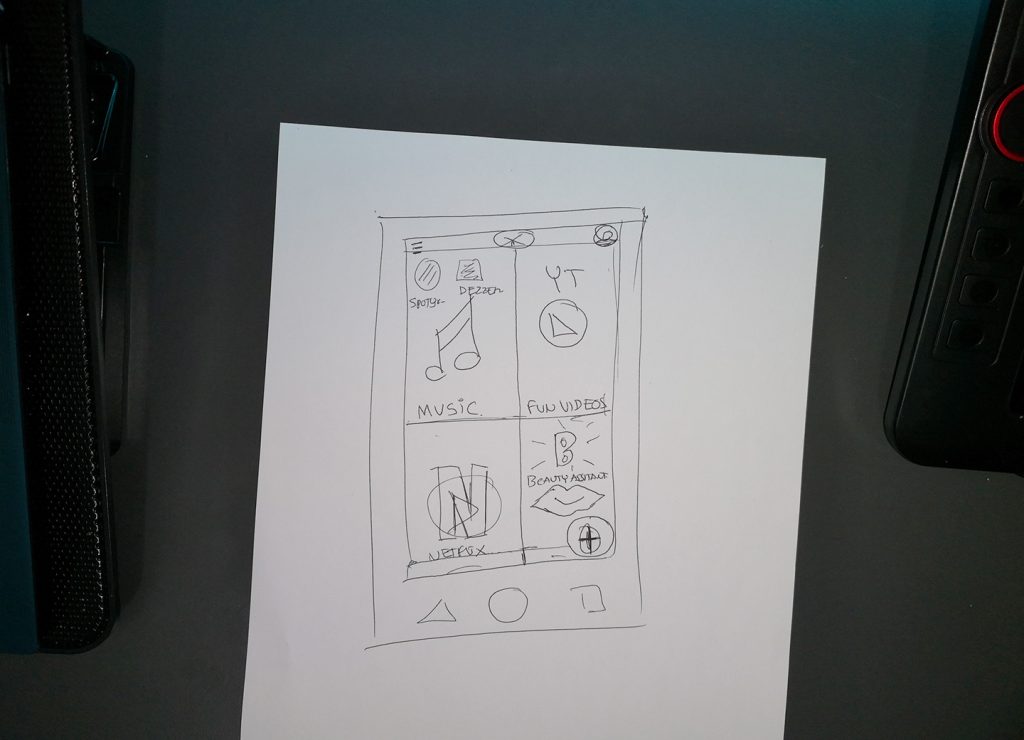
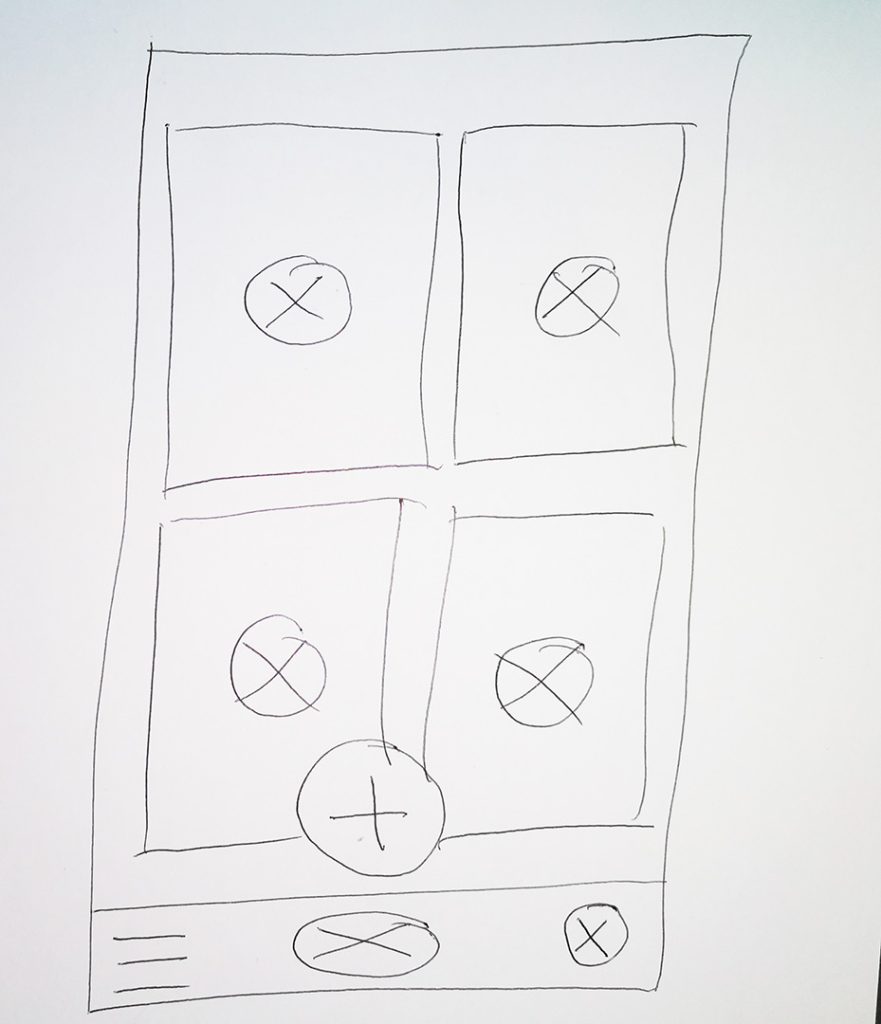
After that, I started creating wireframes in papal to define the interface structure and quickly validate the idea before creating the full flows and screens at the next levels.
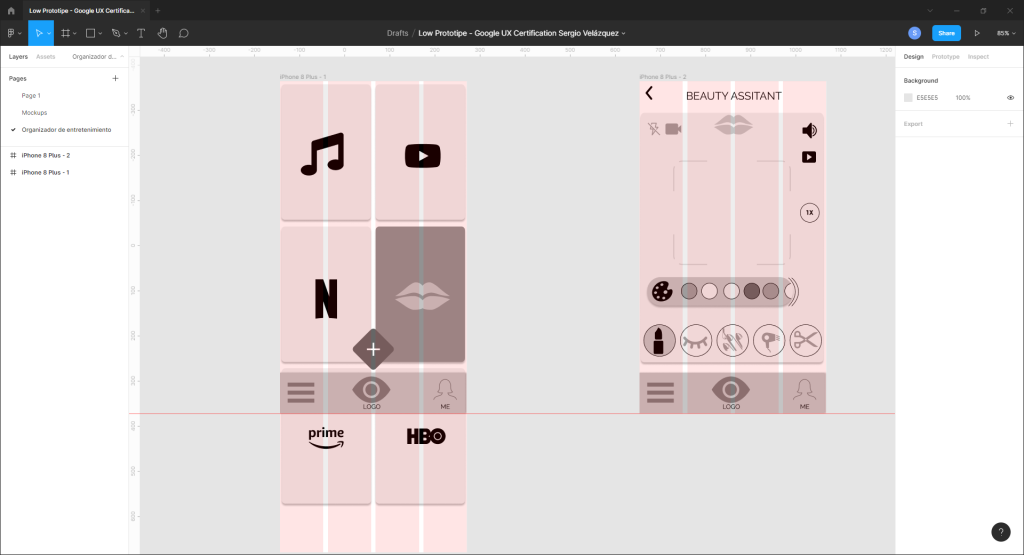
After that I went straight into the Figma software to start the medium resolution wireframe layout and re-validate the initial screens with Nancy and have her give me feedback and iterate on it.
Learnings & Next Steps
This is an experimental phase, and the aim is to identify the best possible solution for each of the problems identified during the first three stages. The solutions are implemented within the prototypes and, one by one, they are investigated and then accepted, improved or rejected based on the users’ experiences.
Now I can perform the user flow and interaction design in the information architecture by defining the Ontology, Taxonomy and Choreography. Starting the prototyping phase and then validating with users in an iterative process.